India’s centralized examination system has been on the brink of total collapse. Following endless controversies, mass student outrage, and staggering political fallout over paper leaks, the government has finally played its biggest card. Prime Minister Narendra Modi recently announced the creation of a high-powered task force completely dedicated to overhauling the examination infrastructure.
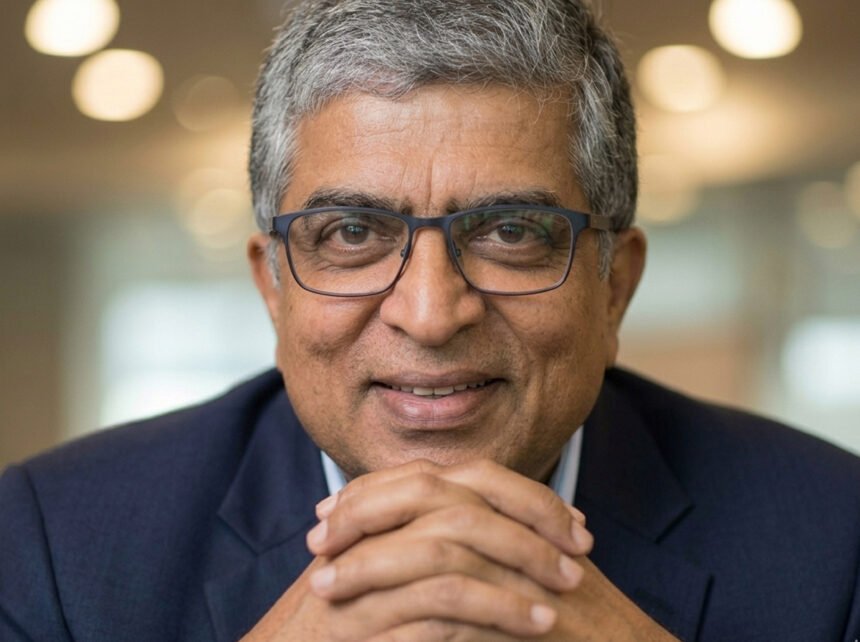
But it is not just another bureaucratic committee. The government has brought in Nandan Nilekani the tech titan who co-founded Infosys and spearheaded the revolutionary Aadhaar system to lead the charge. If you are a student, parent, or educator wondering how the nation plans to secure the futures of millions of aspirants, this unexpected leadership shift changes everything.
The Problem: A Shattered Trust In Centralized Testing
To understand why this task force was urgently needed, you have to look at the recent chaos surrounding the National Testing Agency (NTA). The NEET-UG paper leak controversy severely compromised the integrity of India’s most crucial medical entrance exam, devastating the hopes of hardworking students.
The fallout was immense. The crisis sparked nationwide, weeks-long protests spearheaded by youth-led organizations like the Cockroach Janta Party (CJP), which ultimately forced the resignation of Education Minister Dharmendra Pradhan. The core issue is that the physical and logistical chains of traditional exams printing presses, transportation, and invigilation are highly susceptible to organized cheating syndicates and corrupt officials. The public demanded radical change, proving that temporary fixes and patch-up investigations were no longer sufficient.
The Solutions: Enter The High-Powered Tech Panel
In response to the mounting pressure, PM Modi announced in a video address that the new examination system must be transparent, trustworthy, and maximally reliant on technology. By appointing Nandan Nilekani, the government is signaling a massive shift from traditional bureaucratic oversight to cutting-edge digital infrastructure.
Nilekani is not working alone. The multidisciplinary task force brings together some of the most formidable minds in Indian technology, security, and logistics. The panel includes:
- S Somnath: Former Chairman of ISRO.
- Tapan Deka: Former Director of the Intelligence Bureau.
- V Kamakoti: Director of IIT Madras.
- Anita Karwal: Former Education Secretary.
- Amrit Lal Meena: Logistics Expert.
This diverse group is mandated to revamp the NTA from the ground up, focusing heavily on technological capabilities and structural invulnerability to ensure that the sanctity of the exams is never breached again.
Real-World Action: Strict Laws And Swift Justice
While the Nilekani-led task force works on the technical blueprints, the government is simultaneously moving to enforce extreme legal consequences for exam fraudsters. To satisfy the demands of the protesting youth and restore faith, several immediate actions are being deployed.
For instance, the Centre has agreed to withdraw FIRs against the student protesters and provide compensation to the families of aspirants who tragically lost their lives due to the exam stress. More importantly, the government is introducing the Public Examinations (Prevention of Unfair Means) Amendment Bill in the Lok Sabha. This powerful new legislation aims to mandate that investigations into exam fraud be completed within two months, while authorizing Special Fast-Track Courts to hear cases daily and conclude trials within three months. Criminals and coaching mafias involved in organized paper leaks will now face massive financial penalties and significantly enhanced prison terms.
Advanced Topics: Can Technology Outsmart The Exam Mafia?
The ultimate question surrounding this new task force is whether technology can truly eradicate the deep-rooted corruption within the exam ecosystem. Nilekani’s success with UIDAI (Aadhaar) proved that massive digital rollouts are possible in India, but securing an exam requires real-time invulnerability.
Experts predict the task force will likely push for extreme cryptographic security for question papers, blockchain-based answer sheet ledgers, and highly advanced biometric verification systems potentially expanding on digital public infrastructures like DigiYatra to eliminate impersonators. However, the transition to fully computer-based testing carries its own risks, such as server hacks and localized network manipulation. The true test for Nilekani and his team of intelligence and space experts will be designing a system where digital vulnerabilities do not simply replace physical ones.
Final Thoughts On The Future Of Exams
The constitution of this high-powered task force represents a turning point in Indian education. By yielding to the protests and bringing in proven technological leaders like Nandan Nilekani, the government is acknowledging that the old way of conducting exams is dead. As the task force begins its critical work, millions of students are watching closely, hoping this tech-driven intervention finally delivers the fair and leak-proof system they deserve.