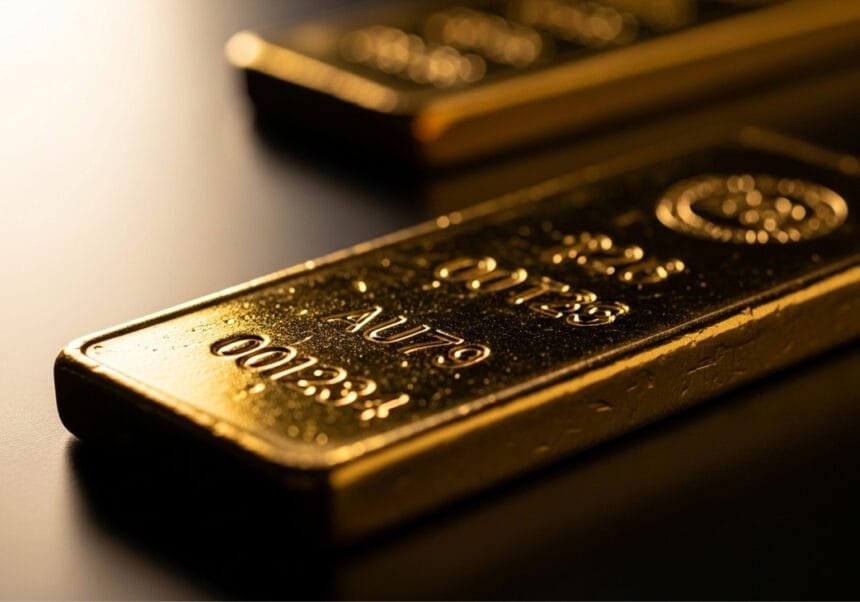
Gold has always been more than just a metal in India it’s emotion, investment, tradition, and financial security all rolled into one. And when prices start shifting between months like June and July, it instantly becomes a hot topic for investors and households alike.
In this period, the gold price in India showed noticeable movement, driven by global uncertainty, currency changes, and rising demand trends.
Let’s break down what really happened and why gold continues to stay volatile.
Why Gold Prices Keep Changing So Quickly
Gold prices in India don’t move randomly. They are influenced by a mix of global and local factors such as:
- International gold rates
- US dollar strength
- Inflation data
- Central bank policies
- Demand in India (especially jewellery demand)
- Import duties and taxes
Even small global changes can reflect quickly in Indian markets, making gold a highly sensitive asset.
June to July: What Changed in Gold Prices?
Between June and July, gold prices saw fluctuations rather than a straight rise or fall. The market moved in reaction to global economic signals.
Key movements observed:
- Periodic rise due to global uncertainty
- Temporary dips when US dollar strengthened
- Strong recovery due to safe-haven demand
- Festival and seasonal buying interest beginning to build
This up-and-down movement created uncertainty for short-term buyers but opportunities for long-term investors.
Global Factors Behind the Movement
Gold is globally traded, so international conditions play a major role.
1. US Dollar Strength
When the dollar strengthens, gold often becomes expensive in other currencies, including INR. This can temporarily reduce demand.
2. Inflation and Interest Rates
Higher interest rates usually reduce gold attractiveness, but inflation fears push investors back into gold.
3. Geopolitical Tension
Any global uncertainty increases safe-haven buying, pushing gold prices upward.
Indian Market Impact: Why Demand Matters
India is one of the largest gold consumers in the world.
During June and July:
- Jewellery demand started improving
- Investors showed interest in gold ETFs
- Rural demand began picking up due to seasonal income cycles
This domestic demand helped support prices even when global markets were unstable.
Is Gold Still a Safe Investment?
Despite fluctuations, gold continues to be considered a safe-haven asset.
People invest in gold because:
- It protects against inflation
- It holds long-term value
- It is highly liquid
- It balances investment portfolios
However, short-term price movements like June-July remind investors that gold is not always stable in the immediate term.
What Investors Should Watch Next
If you are tracking gold prices, keep an eye on:
- US Federal Reserve decisions
- Rupee vs Dollar movement
- Global inflation data
- Festive demand in India
- Central bank gold buying trends
These factors will continue to decide whether gold moves upward or corrects in the coming months.
Final Verdict
The gold price movement from June to July in India reflects a simple truth gold is driven by global uncertainty and local demand at the same time.
While short-term volatility may confuse traders, long-term investors still see gold as a reliable asset.
And in times of uncertainty, gold continues to shine even when prices fluctuate.
gold rate India | gold price trend India | gold price fluctuation | gold investment India | June July gold rate | India gold market | gold price analysis | 24 carat gold rate | MCX gold price | gold demand India | gold price trend on altt